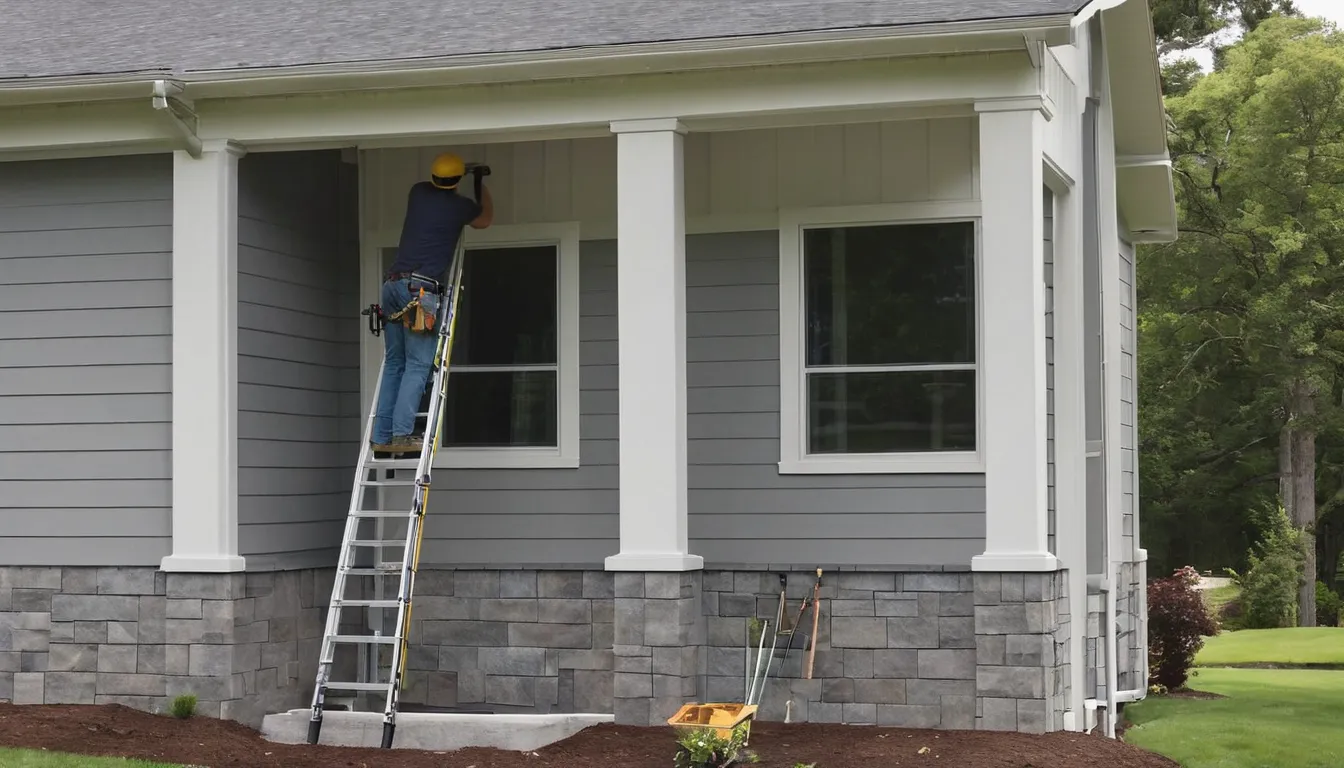
Siding Installation for Homes in the Eagle Mountain area
Request your siding estimate
Siding does more than set your home's look. It shields the walls from rain, hail, snow and strong sun. When it cracks, warps or pulls loose, water can slip behind it and soak the layers underneath. That damage often stays hidden until the repair bill grows. If siding is worn across much of the house, a full installation is usually smarter than patching.
Sorryaway Windows & Siding is a referral service. It does not install siding. It connects homeowners with independent residential siding contractors in our network, and those providers do the work. You can request an estimate, compare written quotes, and ask questions before you sign. Costs vary by home size, material and wall condition, so a written quote is the number to trust.
Siding Failing? Start Here
A lot of people think siding trouble can wait until it looks bad. In practice, the harm usually starts out of sight. Water slips behind one loose board and soaks the wall for months.
This page is about installing new siding, not spot fixes. If you already see problems, request an estimate and compare what providers say.
Myth: Siding Is Just for Looks
Siding is your first layer of weather defense. Behind it sit house wrap, sheathing and framing. When the outer layer fails, those parts get wet and wear out faster.
Signs Your Home Needs New Siding
Start with the urgent signs and work down.
Water Getting Behind the Boards
Look for stains on inside walls, soft spots, peeling paint near seams, or mold on the lower courses. Fast spring melt can push water into any gap. These signs come first because moisture spreads.
Warped, Cracked or Loose Pieces
Hail can dent and crack panels. Intense sun at altitude can bend vinyl and dry out wood. Loose pieces may rattle in wind or lift at the edges.
Fading, Chalk and Bare Spots
Some fading is normal. Bare wood, chalky residue, or color that rubs off on your hand means the surface is wearing thin.
Drafts and Rising Energy Bills
Heavy snow loads and dry, windy days are hard on thin walls. If rooms feel drafty or bills creep up, aging siding may be part of the story.
Choosing a Siding Material
Myth, then reality: people think the priciest material is always the smartest buy. In practice, the right pick fits your weather, your budget and your home's style.
Vinyl Siding
Vinyl siding is popular for its modest price and wide color choice. Thicker panels handle sun and cold better. Hail can still crack it, so ask about impact-resistant grades.
Fiber Cement
This material is heavy and tough. It copes well with hail, sun and snow. It costs more and needs skilled hands to hang it.
Wood and Engineered Wood
Wood gives a warm look and suits many newer frame homes. In dry, sunny air it needs regular sealing. Engineered wood costs less and resists rot.
Swapping Out Stucco
Some owners want to replace stucco with siding. It can be done, but it adds prep work. Ask the provider how they plan to handle the old surface.
What Siding Installation Involves
Tear-Off and Inspection
Old siding comes off first. The provider then checks the sheathing and framing for rot. Damaged boards should be replaced before anything new goes up. Ask to see photos of what turns up.
Wrap, Flashing and Insulation
House wrap, seam tape and flashing around windows and doors keep water out. This hidden step matters as much as the panels. Some jobs add insulation board here too.
Hanging Panels and Trim
Panels go up from the bottom. Corners, trim and vents finish the look. Good installers leave room for panels to expand and shrink with big temperature swings.
How Long Does Siding Installation Take?
Myth: it takes a month. Reality: many average homes take a few days to two weeks. Home size, material and weather all play a part. Ask for a written schedule and what happens if rain delays the work.
Planning Ahead
Pick Your Season
Spring and fall are popular because the weather is mild. Good providers can book up. Hard cold can slow some materials, and fierce summer sun can make panels tricky to handle.
Get the Yard Ready
Move grills, planters and furniture away from the walls. Trim back shrubs. Ask the provider what else they need from you.
Hail and Insurance
Some policies may cover sudden damage, such as a hailstorm. Check your policy. Providers can often help document damage for a claim.
Read the Quote
A written quote should name the material, brand, color and thickness. It should also list tear-off, wrap, trim, disposal, permits, start and finish dates, and the payment schedule. Compare quotes line by line. A much smaller number often means skipped steps.
Ask Before Signing
These questions help you hire with confidence:
- Are you licensed and insured in my state? Ask to see proof.
- Will your own crew do the work, or subcontractors?
- What happens if you find rotted wood?
- What does the warranty cover, for materials and for labor?
- Do you pull the permits?
- Can you share local references?
A good answer is specific and goes in writing. A vague answer is a reason to keep looking.
Red Flags to Watch For
- Pressure to sign on the spot
- A large deposit up front
- Cash-only terms
- No written quote, address or references
Request a callback to check provider availability, or use the request form.
What's Included
Full Siding Installation
Providers remove worn siding, check the wall underneath, and put up new panels across the home.
Vinyl and More
Choose vinyl siding, fiber cement, or wood-style options that suit your budget.
Wrap, Flashing and Trim
The hidden layers that keep water out are part of a proper installation, not an add-on.
Cleanup and Disposal
Ask the provider to include removal of old siding and a final yard cleanup in writing.
What Siding Really Costs
Price depends on home size, material, wall condition and trim details. These are typical U.S. ranges, and they vary by job. Use them to spot a quote that looks off, then get it in writing.
| Item | Typical range | Notes |
|---|---|---|
| Vinyl siding | $4 – $8 per sq ft installed | Common budget choice; thicker grades cost more |
| Fiber cement | $6 – $14 per sq ft installed | Tough against hail and sun; skilled labor needed |
| Engineered wood | $5 – $11 per sq ft installed | Wood look with better rot resistance |
| Old siding removal and disposal | $1 – $3 per sq ft | Can rise if layers or hazards are found |
| House wrap and insulation board | $1 – $4 per sq ft | Affects comfort and moisture control |
| Trim, corners and soffit | $1,500 – $6,000 | Depends on the number of corners and details |
How It Works
Request an Estimate
Tell us about your home and what the siding is doing right now.
Get Matched Locally
Sorryaway Windows & Siding connects you with an independent provider in our network.
Read the Written Quote
Check the material, scope, schedule and payment terms line by line.
Ask Before Signing
Use the question list, then choose the provider that feels right.
Why Call Sorryaway Windows & Siding
Myths Cleared Up First
Plain answers about price, materials and timing before you talk to any provider.
Local Providers
Homeowners are connected with independent residential siding contractors in our network near Eagle Mountain.
Clear Quotes
Know what a written quote should list before you agree.
No Pressure
Request an estimate and decide on your own time.
Other Services
Need siding installation in Eagle Mountain?
Tell us about your windows or siding and request an estimate. A local provider in our network can follow up with next steps.
No obligationSiding Installation FAQ
How much does vinyl siding cost for a whole house?
Typical U.S. installed prices run about $4 to $8 per square foot, so many average homes land between $8,000 and $20,000. Wall repairs, trim and removal can change that, so get a written quote.
How long does new siding last?
It depends on the material and local weather. Vinyl often lasts several decades, while fiber cement and wood vary with upkeep. Ask the provider about warranty terms in writing.
Does homeowners insurance pay for new siding?
Some policies may cover sudden damage, like hail, but not normal wear. Check your policy and talk to your insurer. Providers can often help document damage for a claim.
Request a callback
Tell us about your windows or siding and request an estimate. A local provider in our network can follow up with next steps.
No obligation